📢 Disclosure: Some links on this page are affiliate links. As an Amazon Associate, I earn from qualifying purchases at no extra cost to you. Thanks for your support.
If you’re new to the world of microphones, welcome! Before you dive into the best podcast microphones of 2026, it’s important to understand that not all microphones are created equal, especially for podcasting. Different microphone types serve different purposes, and choosing the right one can drastically impact your audio quality.
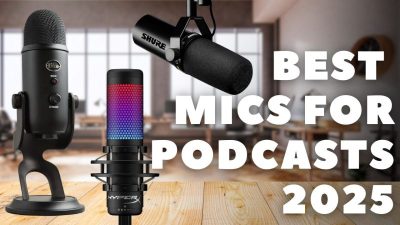
When choosing a podcast microphone, there are three main types to consider: dynamic, condenser, and shotgun microphones. Each one serves a different purpose and offers its own advantages depending on your recording environment and style.
Dynamic microphones are commonly used in radio, broadcasting, and live environments. They’re great at rejecting background noise, extremely durable, and do not require external power. This makes them a reliable choice for podcasters recording in untreated rooms or noisier spaces.
Condenser microphones, on the other hand, are known for capturing detailed, crisp, studio-quality sound. They’re more sensitive than dynamic mics and typically require phantom power, usually supplied through an XLR interface or audio mixer. Because of their accuracy and clarity, they’re ideal for controlled, quiet recording setups.
Shotgun microphones are highly directional, meaning they focus on sound directly in front of them while minimizing noise from the sides. They’re a useful option for interviews, video work, or situations where you want the mic to stay out of the frame or reduce environmental noise.
Now that we’ve been over the different microphone types, let’s take a look at some of the best podcast microphones available today across different budgets and setups.
Blue Yeti USB microphone: Best podcast microphone for beginners
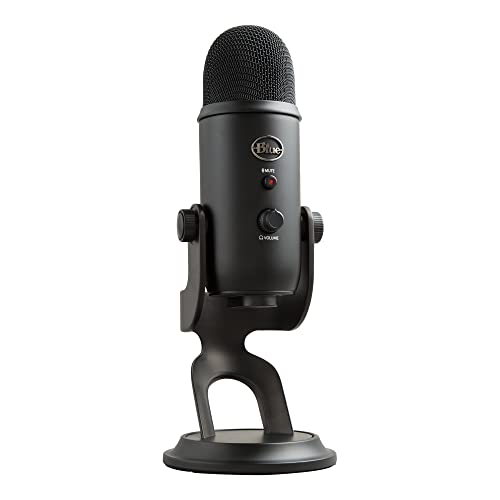
- Custom Three-capsule Array
- Four Pickup Patterns
- Onboard Audio Controls
- Positionable Design
- Plug ‘n Play: for Mac or PC
The Blue Yeti is one of the most popular USB microphones, especially among streamers and podcasters. It’s easy to set up, affordable, and versatile, making it an excellent entry-level choice.
Why it stands out:
- Simple plug-and-play setup: No audio interface or external power required.
- Multiple recording modes: Cardioid, bidirectional, omnidirectional, and stereo, so you can record solo, do interviews, or capture group audio with one mic.
- Affordable and widely compatible: Works with Windows and macOS with no extra software needed.
Things to consider:
- Sensitive to background noise: You may need noise filtering or good mic technique.
- USB port durability varies: Some users report loose or worn ports over time.
- Not true pro-studio quality: Good sound, but not on the level of higher-end condenser or XLR microphones.
Overall, the Blue Yeti is an excellent budget-friendly microphone for beginner podcasters or streamers who want quality sound without investing in expensive gear.
HyperX QuadCast S: Best USB podcast mic alternative

- Radiant RGB lighting with dynamic effects: Personalize stunning RGB lighting and dynamic effects for an eye-catching shot of customizable style.
- Built-in anti-vibration shock mount: Isolate the mic and suppress the sound of unintentional rumbles and bumps with the elastic rope suspension.
- Tap-to-mute sensor with LED status indicator: Use the convenient tap-to-mute functionality to prevent an audio accident along with the help of the LED mic status indicator. If the light is on, the mic is active, if the light is off, the mic is muted.
- 4 selectable polar patterns: Choose between four polar patterns (stereo, omnidirectional, cardioid, bidirectional) to optimize your broadcast setup and keep the focus on the sounds you want to be heard.
- Customizable via HyperX Ngenuity Software: Personalize your RGB lighting and effects with the HyperX Ngenuity software.
As USB microphones have grown in popularity, HyperX stepped into the spotlight with the QuadCast S, a visually striking mic that delivers excellent audio quality along with customizable RGB lighting for a stylish setup.
Why it’s good:
- Clear, modern sound: The QuadCast S offers crisp, clean audio with better background noise handling than many other USB mics, including the Blue Yeti in most setups.
- Plug-and-play simplicity: It’s USB-powered and works right away, with no need for mixers or extra gear.
- Customizable RGB lighting: Great for streamers and content creators who want both solid performance and eye-catching visuals.
Downsides:
- Costs can vary widely between retailers.
- Occasional software quirks. A few users report detection issues or needing to reinstall software, though it’s not common.
Overall, the HyperX QuadCast S is an excellent USB microphone for podcasting, gaming, and streaming. It delivers cleaner audio than the Blue Yeti for many users while staying simple, stylish, and extremely easy to use.
Rode NT1 (5th Generation): Best studio condenser mic

- Groundbreaking studio condenser microphone that fuses the classic sound signature of the iconic NT1 with patented next-generation technology
- Connect to an audio interface or mixer via XLR, or plug directly into a computer via USB to record studio-grade sound in any setup – an all-in-one digital recording solution for the home or the studio
- Offers the classic warm, silky character, extremely low self-noise and high SPL handling capability that the original is revered for, perfect for a huge range of applications, from voiceovers and guitars to drums and piano
- Features RØDE’s ultra-low-noise, high-gain Revolution Preamp and high-resolution (up to 192kHz) analog-to-digital conversion for crystal-clear digital recordings
- Body machined from high-grade aluminium with nickel plating and military-grade ceramic coating, ensuring its ready to take on the rigours of recording day in, day out

The RØDE NT1 (5th Generation) is a studio-grade large-diaphragm condenser microphone designed for professional-level audio. It delivers extremely low noise, detailed and natural voice reproduction, and versatile connectivity, making it an excellent choice if your podcast setup is aiming for studio quality.
What makes it stand out:
- Exceptionally low self-noise (4 dBA). Ensures clean, quiet recordings even in controlled studio environments.
- Ideal for voiceovers and storytelling. The rich, warm capture is ideal for narration-style podcasts and situations where voice clarity matters.
- Dual Connect (XLR + USB-C) + premium build. You get both analog and digital connectivity, making the mic versatile whether you use an audio interface or plug directly into a computer.
Important considerations:
- Requires phantom power or interface when using XLR. If you use the XLR output (common for studio setups), you’ll need an audio interface or mixer with phantom power.
- Higher price point than basic USB mics. It costs more than beginner USB mics, so it’s less ideal if you’re just starting and on a tight budget.
- Requires good environment. Because it’s so sensitive and high quality, it may pick up room noise or ambient sound if your recording space is untreated.
Overall:
If high-quality sound is your top priority, the RØDE NT1 (5th Generation) is an excellent investment for podcasters looking to upgrade to studio-level audio. It offers remarkable clarity, great build, and flexible connectivity, making it an awesome choice for serious creators ready to step up their game.
Shure SM7B: Best professional dynamic microphone

- NATURAL VOCALS: Engineered with a dynamic cartridge and wide-range frequency response, the Shure SM7B captures warm, balanced vocals with exceptional clarity, making it ideal for singing, podcasting, voiceover, and professional studio recording
- FOCUSED AUDIO: A precise cardioid pickup pattern works with air suspension shock isolation to minimize background noise, handling vibrations, and room interference, keeping your voice front and center in any recording or streaming environment
- BROADCAST-READY CLARITY: Built-in pop filtering and a detachable windscreen reduce plosives, breath, and wind noise, delivering clean, polished audio for podcasts, broadcasts, and close-mic vocal work without the need for additional accessories
- PRO-LEVEL XLR CONTROL: Professional XLR output connects seamlessly to audio interfaces and mixers, giving you full control over gain, EQ, and tone shaping, perfect for creators, musicians, and engineers who demand customizable, studio-quality sound
- REFINED, DURABLE DESIGN: Rugged all-metal construction with advanced electromagnetic shielding helps prevent unwanted hum and interference, ensuring consistent, reliable performance across studio, broadcast, and streaming environments
The Shure SM7B is widely regarded as one of the best microphones for podcasting. Used by top creators, broadcasters, and radio hosts, it delivers exceptional vocal clarity with excellent background noise rejection.
What makes it stand out:
- Superior sound quality: Offers a rich, warm tone that’s perfect for spoken word and vocals.
- Excellent noise isolation: Great at rejecting background noise and room reverb, making it ideal for home studios.
- Built-in pop filter & air suspension: Reduces plosives, vibrations, and handling noise, cutting down on post-production work.
Downsides:
- Requires a strong preamp or gain booster: It’s an XLR-only mic and very gain-hungry, so you’ll need an audio interface with plenty of clean gain or an inline preamp like a Cloudlifter.
- Expensive: One of the pricier microphones on this list, but worth it for serious podcasters.
Overall:
The Shure SM7B is a must-have for professional podcasters who want true studio-level audio quality. If you’re serious about podcasting and want one of the best dynamic microphones available, this is the one to beat.
Note: Because listings can update periodically, product images and details may not always match. We aim for accuracy, but please review the live product page for the most current information.
Which podcast microphone should you choose?
✔ For Beginners: Blue Yeti or HyperX QuadCast S (USB, easy setup, budget-friendly).
✔ For High-Quality Studio Sound: Rode NT1 (5th Gen) (Superior clarity, requires XLR setup).
✔ For Professional Podcasts & Broadcasts: Shure SM7B (Top-tier quality, dynamic mic for ultimate vocal control).
Final thoughts
Recording a podcast is an exciting journey, and choosing the right microphone can be one of the most important steps in delivering high-quality audio to your listeners. And whether you’re starting your first show or upgrading to a more professional setup, the best microphone for you will depend on your budget, recording environment, and technical preferences. There are lots of great options available, as you can see from the list, but picking the right podcast mic ensures your voice sounds clear, polished, and engaging, which will ultimately help you create a better experience for your audience.
Oh, and by the way, if you’re looking for a laptop to enhance your workflow, try our Laptop Finder Quiz and be matched with instant recommendations.
We hope this article helped you. Check out our other related articles on the links below.

Combining a BSc in Computing and Business with a passion for digital productivity, Eamon A. has spent the last three years reviewing the latest tech innovations. From high-performance laptops to essential home office accessories, his in-depth comparisons focus on design and functionality, ensuring readers find the perfect tools for their setup.
Last update on 2026-06-12 / Affiliate links / Images from Amazon Product Advertising API